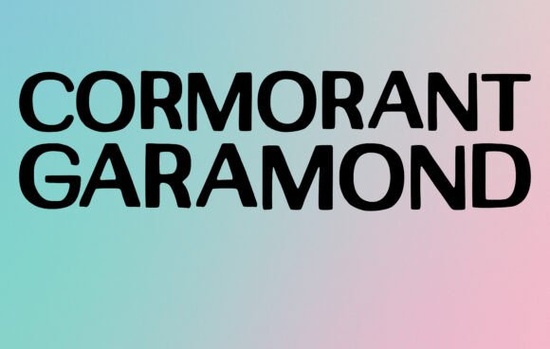
If you're looking for a serif font that balances elegance with everyday readability, Cormorant Garamond is worth a closer look. It’s not flashy or overly decorative instead, it offers clean lines and classic proportions that work well across both print and digital projects. Whether you’re designing wedding stationery, crafting social media graphics, or setting body text for a small publication, this font holds up without drawing too much attention to itself.
One of the reasons designers keep coming back to Cormorant Garamond is its versatility. The letterforms are crisp enough for headlines but remain comfortable in longer passages, which isn’t always easy for serif fonts. You’ll find it especially useful if your project calls for a touch of sophistication without veering into formality. Think boutique branding, artisan packaging, or even subtle logo work where clarity matters as much as character.
What kinds of projects does it work best for?
Cormorant Garamond shines in contexts where typography needs to feel intentional but not loud. Here are a few real-world uses:
- Editorial design: Magazine spreads, blog headers, or book covers benefit from its balanced contrast and open counters.
- Invitations and greeting cards: Its refined curves add warmth to wedding invites or holiday cards without overwhelming delicate layouts.
- Branding for small businesses: Cafés, florists, or handmade goods shops often use it to convey craftsmanship and care.
- Print-on-demand products: From tote bags to mugs, the font scales cleanly and maintains legibility even at smaller sizes.
Unlike display fonts like Varsity Narrow or Retro Magic, which are built for impact in large formats, Cormorant Garamond is meant to be read not just seen. That makes it a reliable go-to when your message needs to land clearly.
How does it compare to other serif fonts?
Among Creative Fabrica’s collection, Cormorant Garamond occupies a sweet spot between traditional Garamond revivals and modern interpretations. It has the high x-height and open apertures that improve screen readability, while still honoring the old-style serif heritage. If you’ve used fonts like EB Garamond or Adobe Garamond, you’ll recognize the DNA but with slightly more vertical stress and tighter spacing that feels contemporary.
For contrast, consider pairing it with a clean sans-serif for body copy or subheads. Or, if you’re working on a playful project, you might combine it with something unexpected like Marshmellow for a headline-and-caption dynamic that balances grace with whimsy.
Is it beginner-friendly?
Yes especially if you’re new to typography. Because Cormorant Garamond avoids extreme weights or ornate details, it’s forgiving in layout. You don’t need advanced typesetting skills to make it look good. Just stick to standard sizes (16–20pt for body text, 32pt+ for titles) and leave ample line spacing (1.4–1.6em), and it will perform reliably.
It also comes in multiple weights from Light to Bold so you can create hierarchy without switching typefaces. This is helpful for crafters or small business owners who want consistency across business cards, labels, and Instagram posts without juggling five different fonts.
And if you ever need a change of pace, Creative Fabrica offers plenty of alternatives. For bolder statements, check out Simple Stacked. For nostalgic charm, Retro Kids brings a friendly, hand-drawn energy that pairs surprisingly well with elegant serifs in mixed-media designs.
Practical tips before you download
Before using Cormorant Garamond in client work or commercial products, double-check the license included with your Creative Fabrica purchase. Most personal and small-business uses are covered under their standard license, but extended rights may be needed for large-scale merchandise or templates you plan to resell.
Also, test it in context. A font that looks perfect in a mockup might feel too delicate on a textured kraft paper label or too stiff on a pastel-colored invitation. Print a sample or view it on multiple devices to confirm it meets your project’s needs.
Quick checklist before you start:
- ✅ Confirm your intended use is covered by the license.
- ✅ Choose the right weight Light for airy elegance, Regular for body text, Bold for strong headings.
- ✅ Pair it thoughtfully: avoid clashing serifs; try a neutral sans like Montserrat or Lato.
- ✅ Test readability at actual size especially for printed items.
- ✅ Save time by downloading the full family (all weights) so you’re ready for future projects.
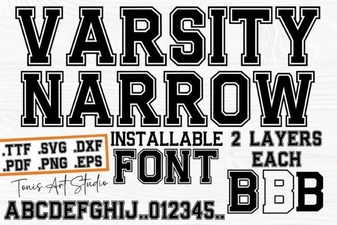 Design a Bold Brand with the Varsity Narrow Font
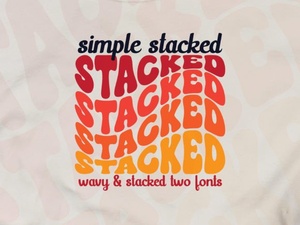 Stacked Font Designs: Easy Typography Projects
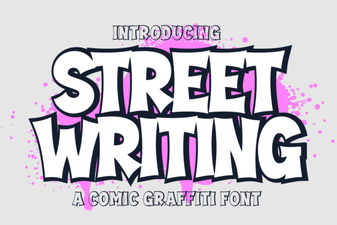 Street Font Styles for Urban Design Projects
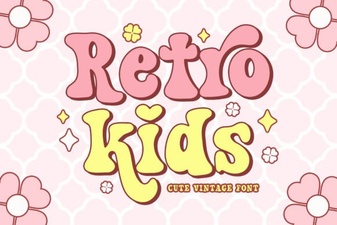 Retro Fonts for Kids' Creative Projects
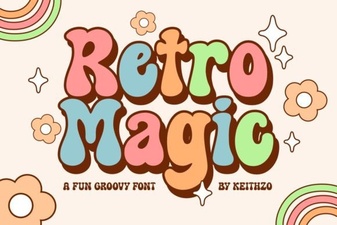 Retro Magic Fonts: Design Inspiration & Practical Uses
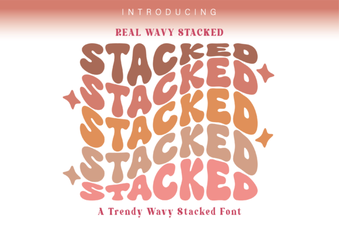 A Design Guide for Real Wavy Stacked Fonts